The Forest That Remained
Before becoming a reserve, this land changed hands several times over the years. The more accessible areas were used for farming, including crops like sugarcane.
The steeper slopes and the parts furthest from the house were mostly left untouched, not because anyone set out to protect them, but because they were simply harder to reach.
That forest remained. And over time, it became the most important part of the land.
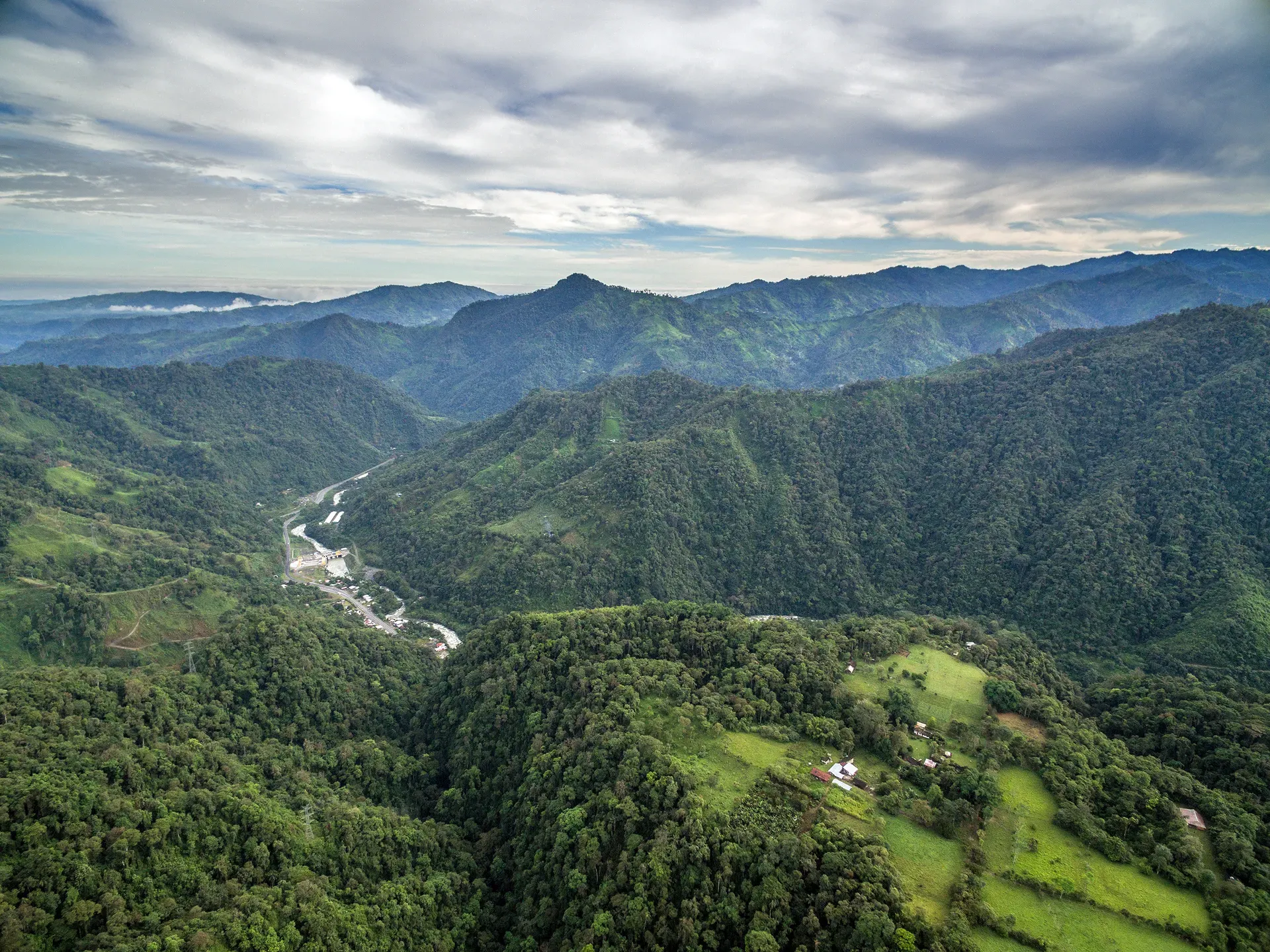
La Hesperia in its early decades — working land in the western Andes of Ecuador.
Building a Legacy
The Játiva family's story here began in 1971, when Dr. Mario Játiva Cevallos and Yolanda Ordóñez acquired the land. For many years, their focus was on the essential work of building the property up, defining boundaries, creating access, and managing the challenges that came with it.
It was practical, often quiet work, but it laid the foundation for everything that followed. Step by step, they shaped a stable and cared-for place in the western Andes.
That groundwork is what makes everything we do today possible.
The family and the people who worked the land — La Hesperia in its early years.
Conservation Takes Shape
In 1988, thanks to a recommendation from Xavier Silva, conservation at La Hesperia began to take a more structured direction. Work with university students and researchers led to the first management plan, giving shape to something that had already been developing over time.
From that point on, research became part of how the reserve was understood and managed, not something occasional, but something that guided decisions.
This approach also extended to the productive areas of the land, which were gradually adapted to align with conservation.
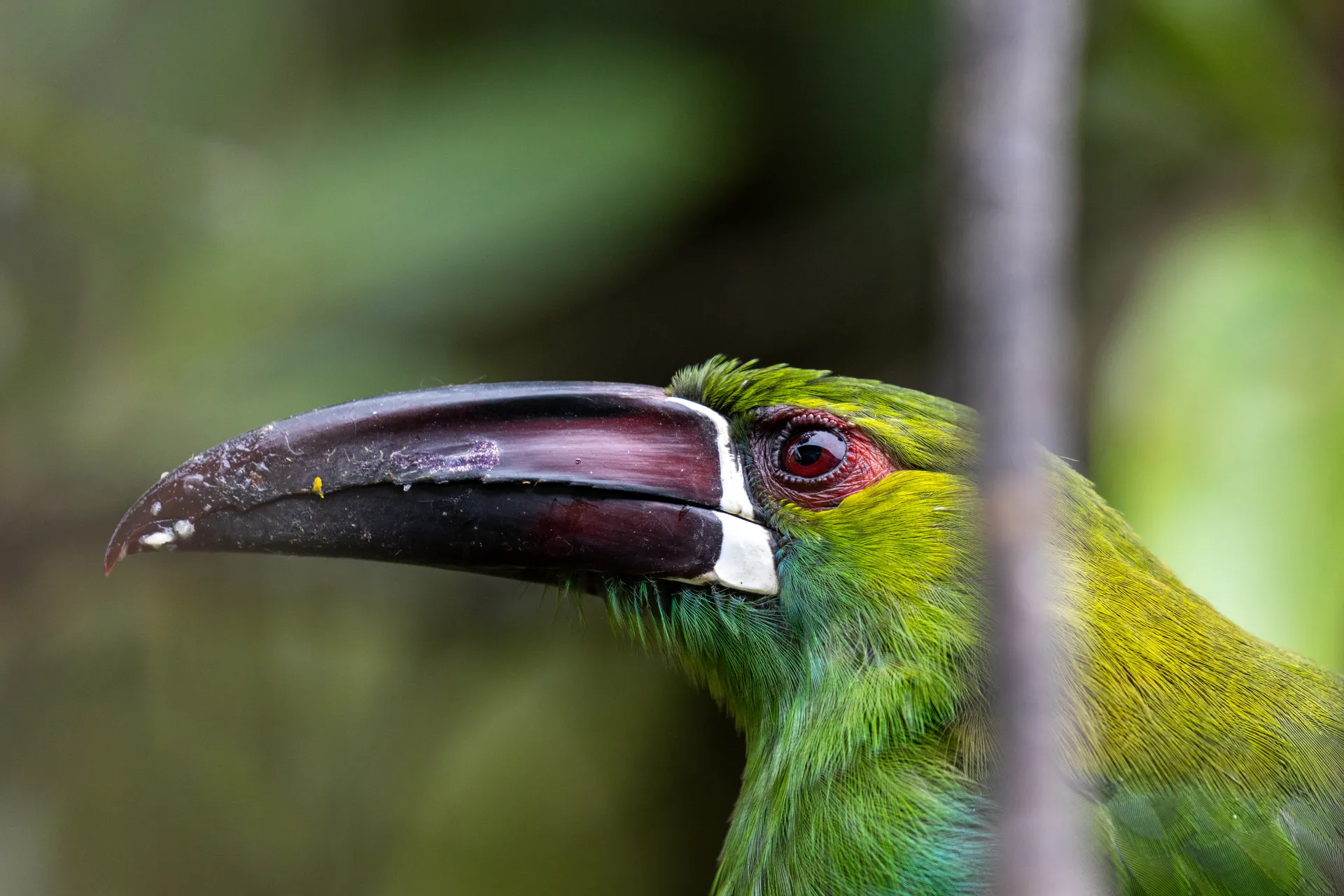
The cloud forest that the first Management Plan was built to protect.
Opening to the World
In 2004, La Hesperia signed an agreement with the Jatun Sacha Foundation, one of Ecuador's leading conservation organizations. The partnership opened the reserve to international volunteers for the first time — people from different countries who came to contribute hands-on to conservation work.
This was a turning point. La Hesperia was no longer just a family-managed reserve. It had become a place where people from outside could come, contribute, and take part in something larger than themselves.
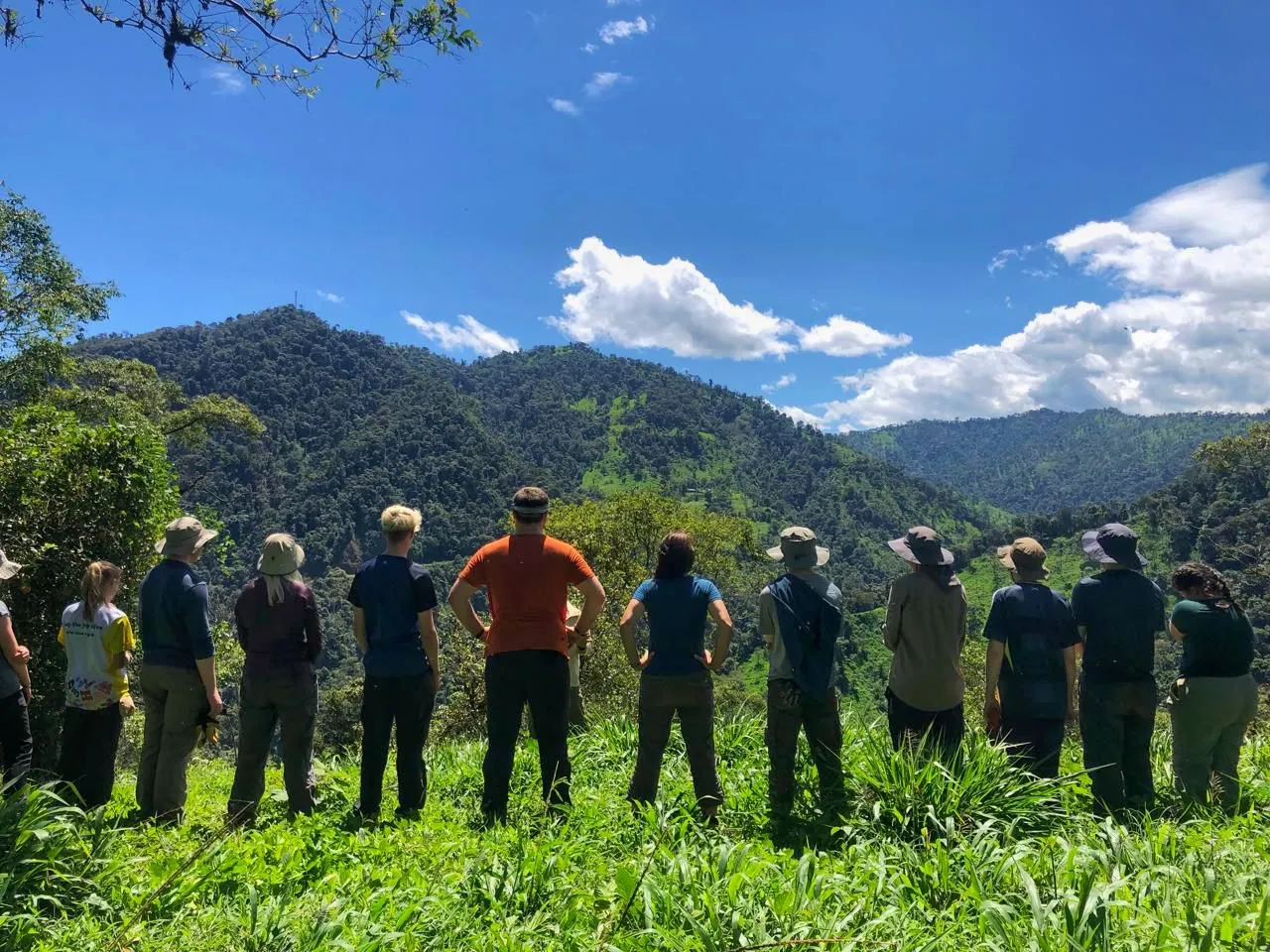
Volunteers have been part of La Hesperia's story since 2004.
The Montessori School
From 2009 to 2014, La Hesperia opened its doors to a small alternative school for children from nearby communities. Inspired by Montessori principles, the forest and the farm became part of everyday learning, shaping a more hands-on and unhurried way of education.
The school is no longer active, but what it left behind is still very much present. It showed us that the land itself can be a teacher.
That idea continues today through our research, workshops, and the way people experience the forest when they come here.
La Hesperia's Montessori School — serving local communities from 2009 to 2014.
Socio Bosque: A National Recognition
In 2014, La Hesperia reached an important step in its conservation work. A large part of the forest was included in Socio Bosque, Ecuador's national forest protection program.
For us, it was more than a formal agreement. It was a recognition of what the family had been working toward for decades.
Joining the program helped turn that long-standing commitment into something that can continue well into the future, helping ensure the forest remains standing for generations to come. Today, the reserve is also part of the Puma Biological Corridor, a regional effort to maintain ecological connectivity for species that depend on continuous forest across the western Andes.
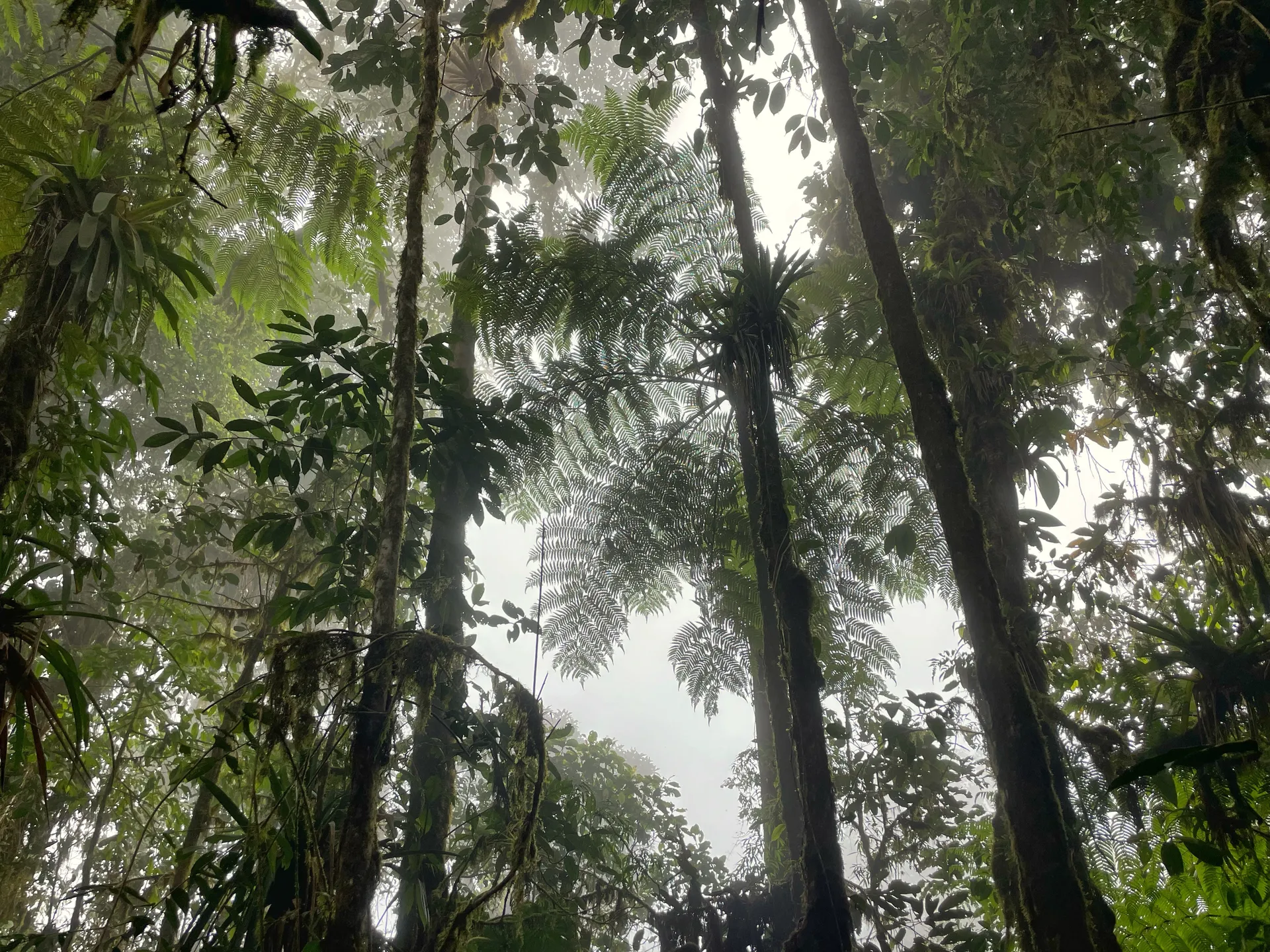
The forest that Socio Bosque helped formalize as a protected area.