La Hesperia sits at one of the most biodiverse intersections on Earth. Seven hundred hectares of cloud forest — protected not by legislation, but by a deliberate choice, renewed every year since 1971.
La Hesperia lies within the Toachi-Chiriboga Key Biodiversity Area (KBA), nestled within the Tropical Andes biodiversity hotspot — the single most ecologically critical region on Earth for plants, birds, and amphibians.
The reserve sits directly in this highly biodiverse zone, spanning an altitudinal range from 1,100 to 2,040 meters above sea level. Within this 940-meter span, La Hesperia encompasses three distinct ecosystem types: pre-montane evergreen forest, and low and high tropical montane cloud forests. Temperatures here oscillate between 16 and 30°C, paired with 2,000 to 3,000 mm of annual rainfall — conditions that sustain persistent cloud cover and exceptional biological richness.
La Hesperia is part of the Río Toachi-Chiriboga Important Bird Area, an important refuge within the Chocó-Andean corridor. So far, 298 bird species have been recorded here, including Chocó endemics, migratory species, and others that depend on intact cloud forest.
Read more ↓Show less ↑Through camera traps and long-term field surveys, 44 mammal species have been recorded at La Hesperia. This includes large mammals and predators that depend on wide, intact forest areas like the ones found here.
Read more ↓Show less ↑La Hesperia's plant diversity is shaped by its wide altitudinal range, from 1,100 to 2,040 meters, along with constant humidity.
Read more ↓Show less ↑Surveys at La Hesperia have recorded 63 butterfly genera, reflecting the high plant diversity and structural complexity of the cloud forest. Butterflies play an important role as pollinators and are also useful indicators of ecosystem health.
Read more ↓Show less ↑Ongoing surveys have recorded 50 species of herpetofauna at La Hesperia, a group known for its high levels of endemism and sensitivity to changes in habitat. Their presence is a strong indicator of the health of the ecosystem.
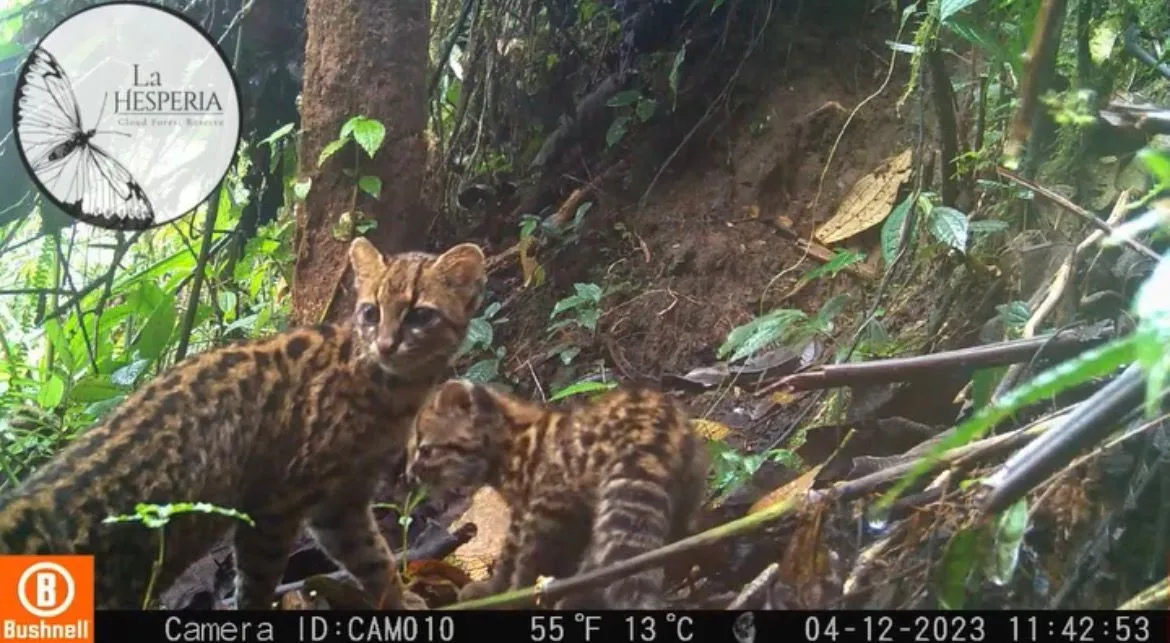
Read more ↓Show less ↑Recognized as a distinct species by science in 2024 — one of the most significant small cat discoveries in recent decades. Associated with Andean cloud forests and currently under conservation status reassessment. Its presence at La Hesperia has been confirmed through camera trap monitoring, which has been running continuously for over three years. Its continued existence here depends on large areas of intact cloud forest — exactly what La Hesperia has been protecting since 1971.
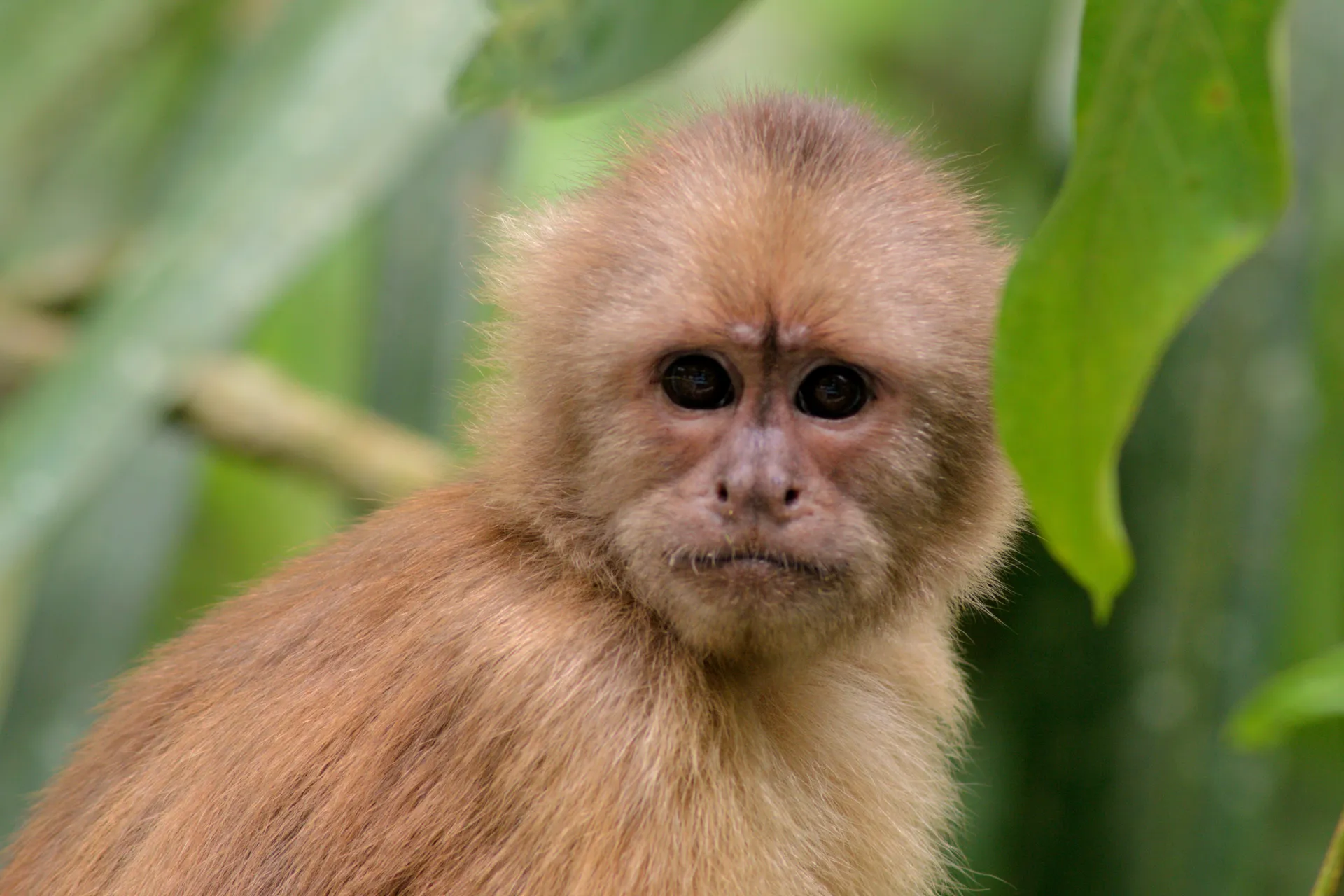
Endemic to western Ecuador and Critically Endangered, the Ecuadorian capuchin has disappeared from large parts of its former range. At La Hesperia, at least four distinct social groups have been documented and individual monkeys identified — a level of observation that is ecologically exceptional at a regional scale. In collaboration with the University of Girona and Fundación Tangaré, research conducted here led to the publication of a scientific paper on behavioral contagion in wild capuchins (Hannaoui et al., 2026, American Journal of Primatology), with findings also presented at the 16th Ibero-American Congress of Ethology and Evolutionary Ecology in Seville. Their regular presence here is a direct consequence of over 50 years of uninterrupted forest protection.
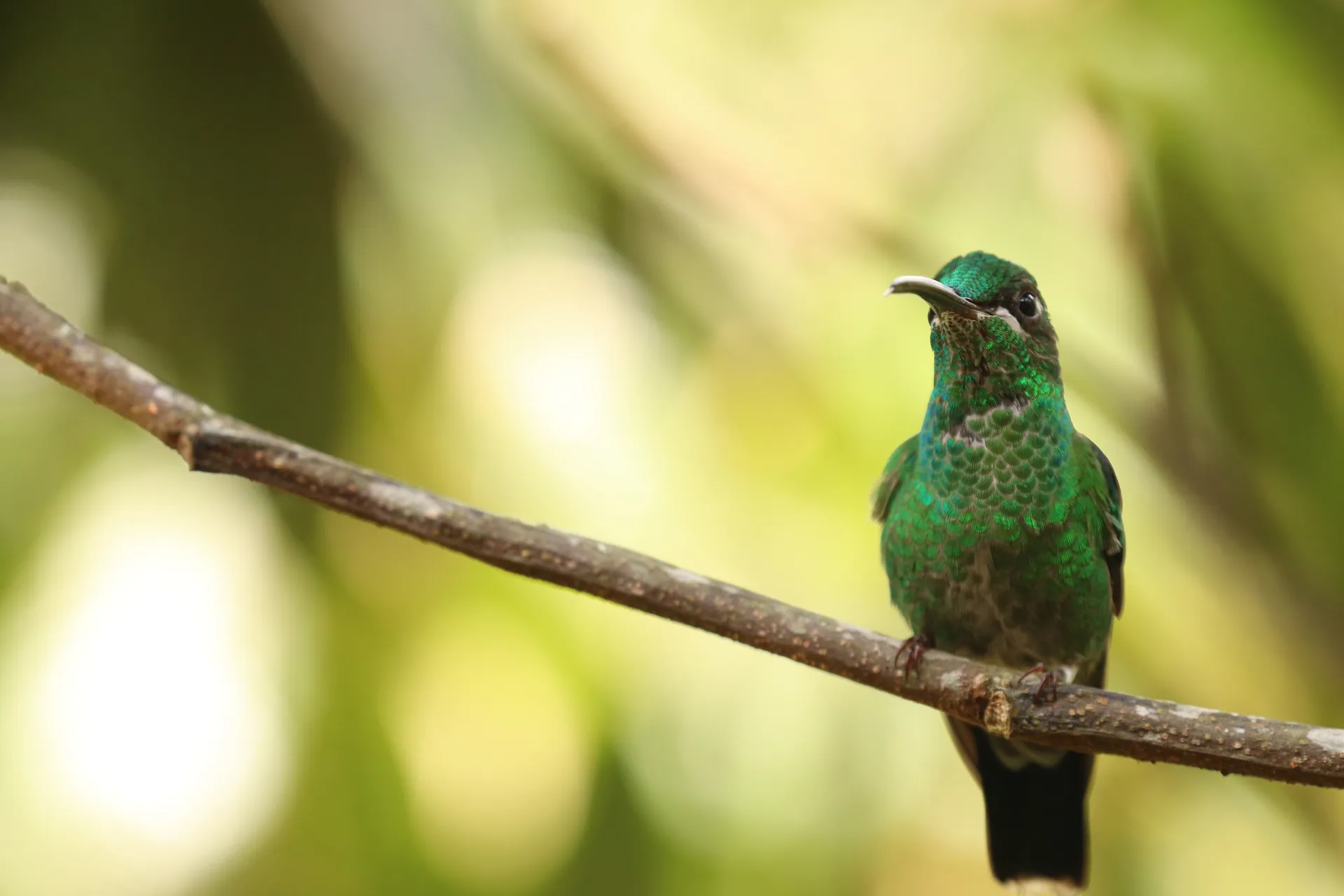
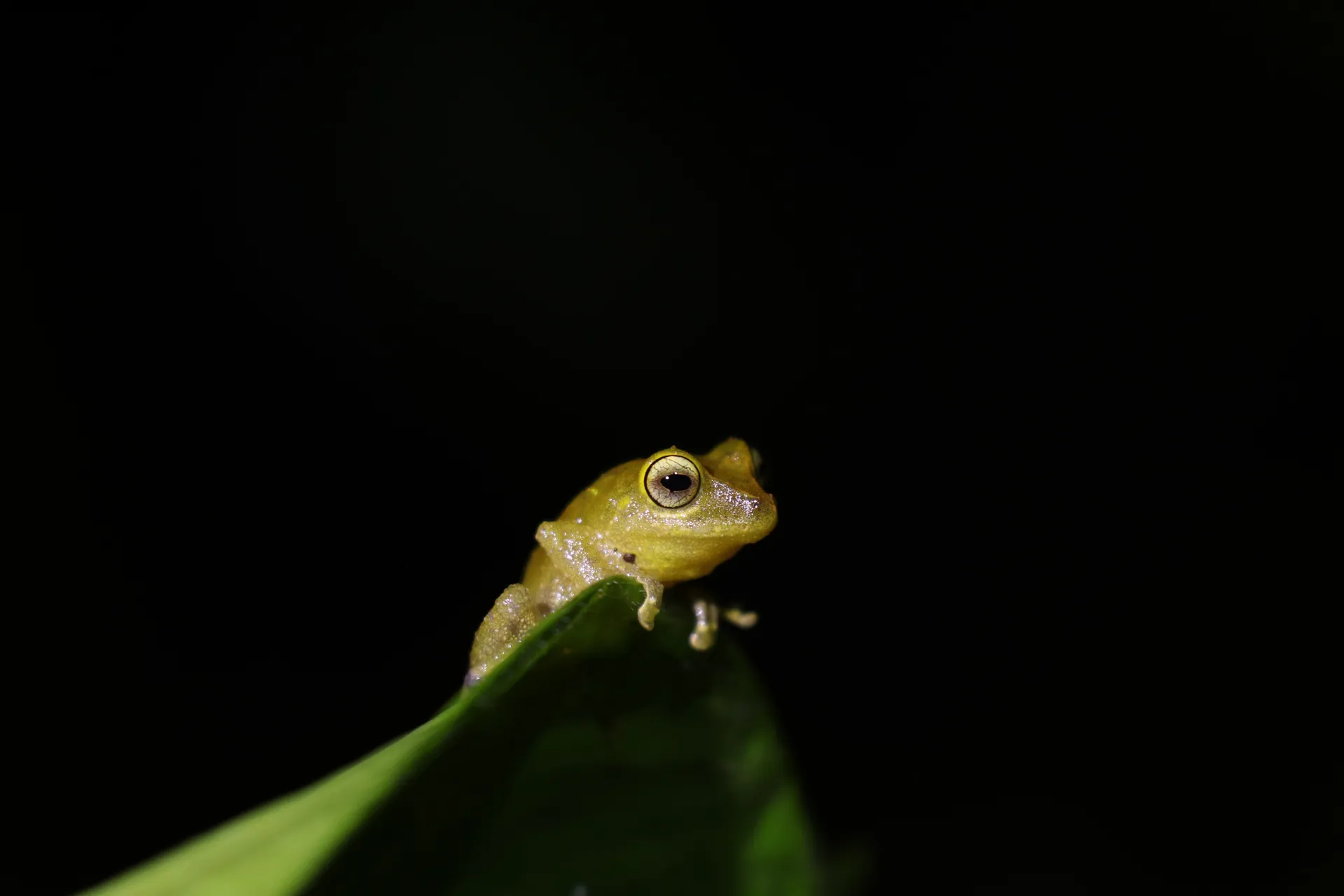
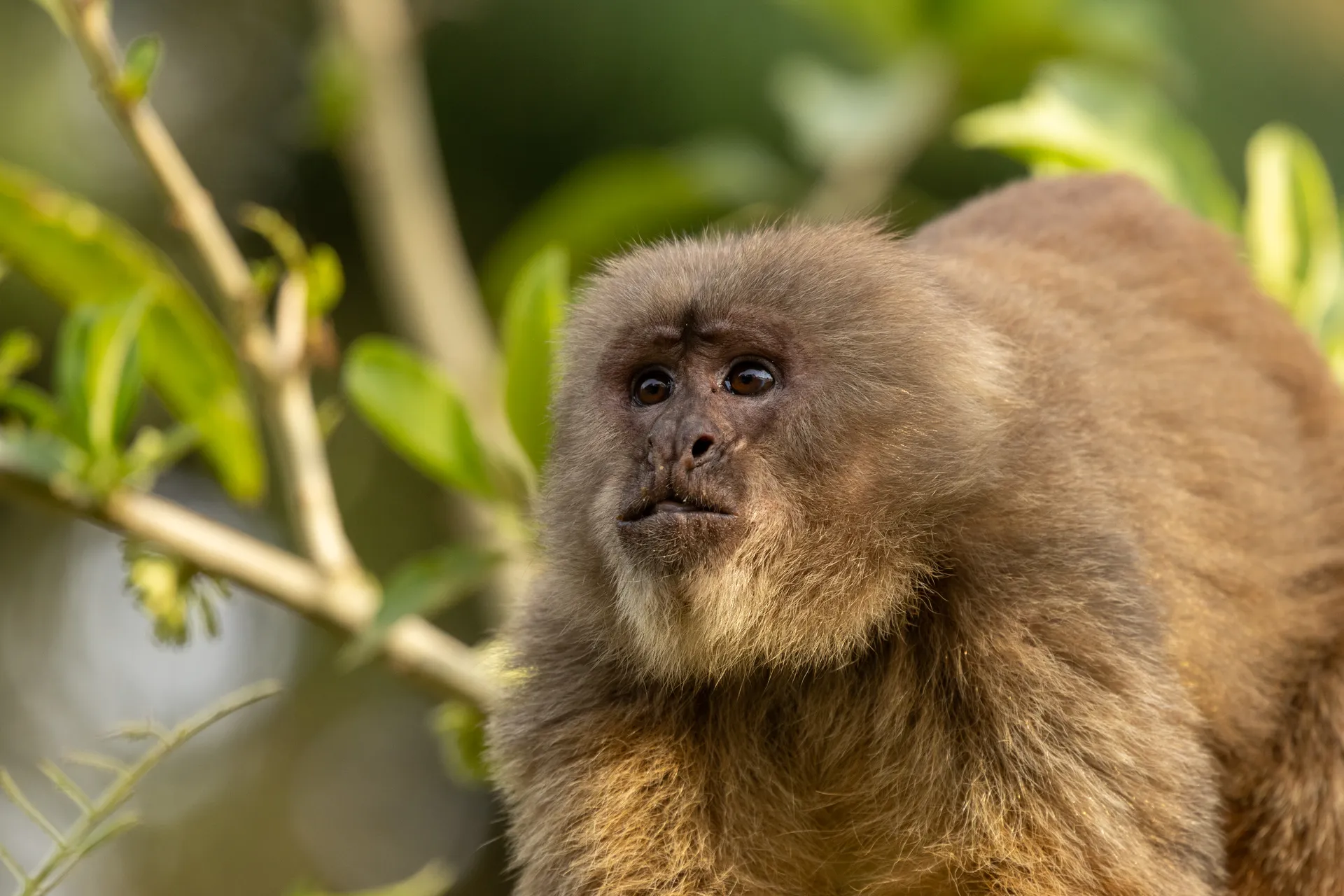
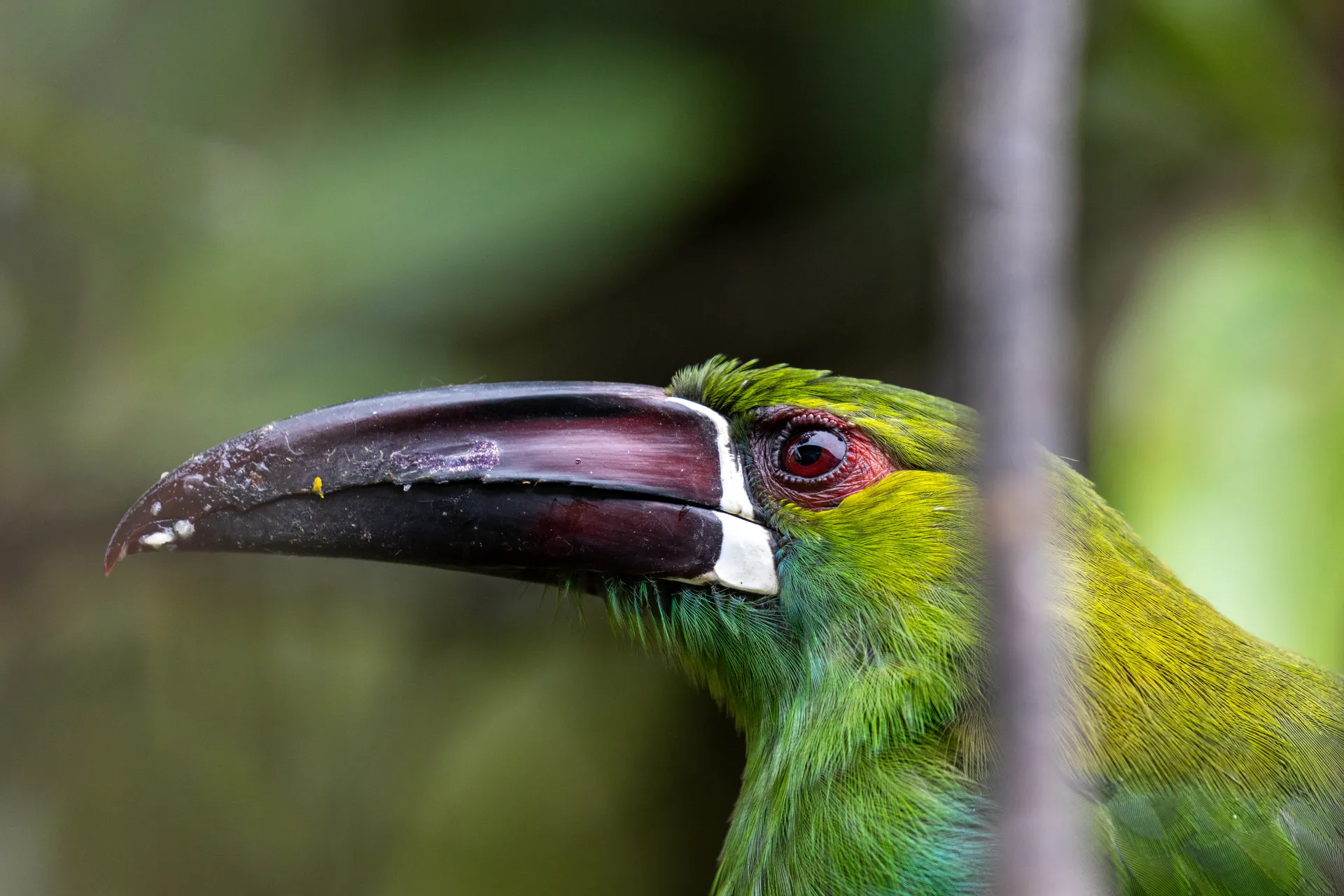
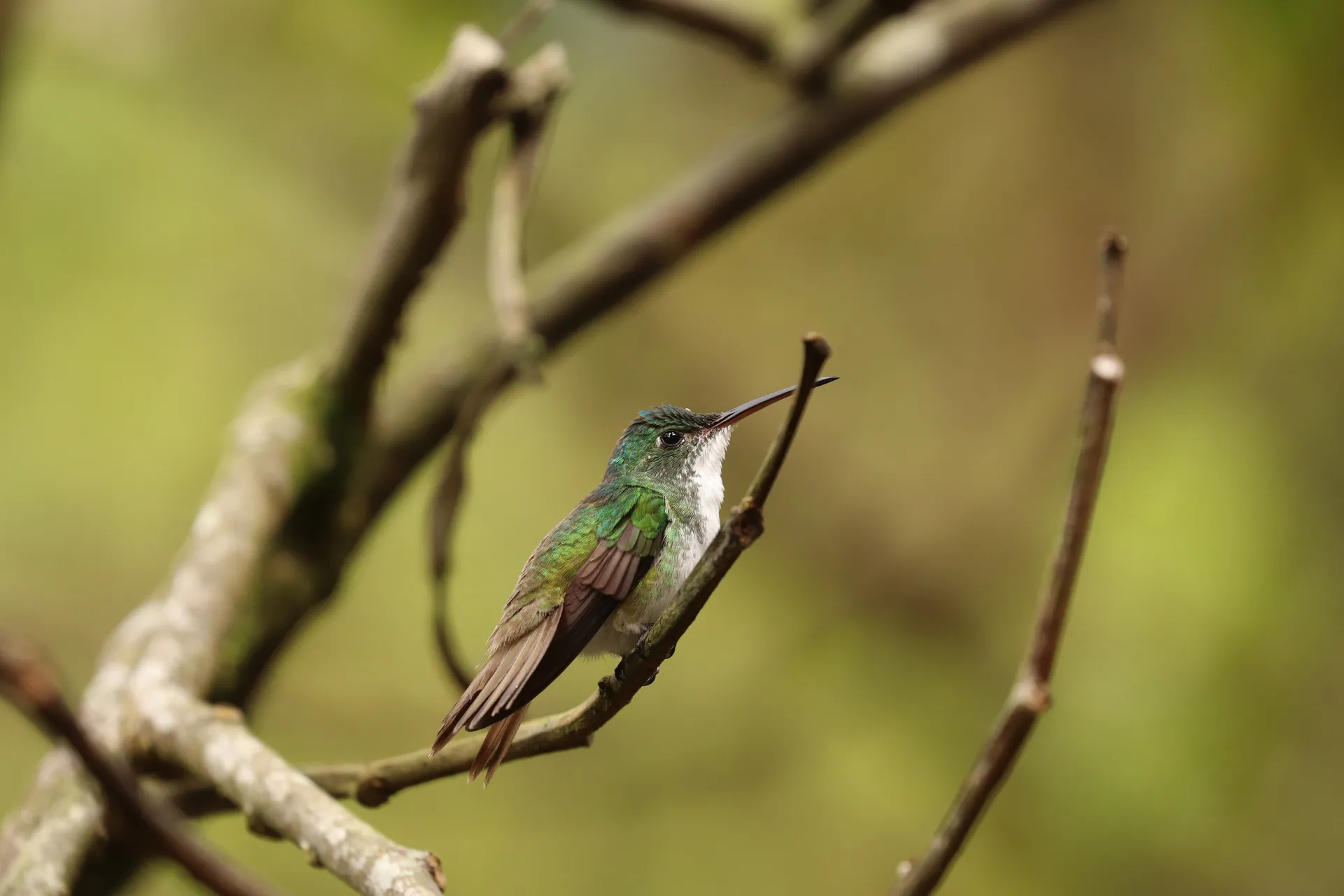
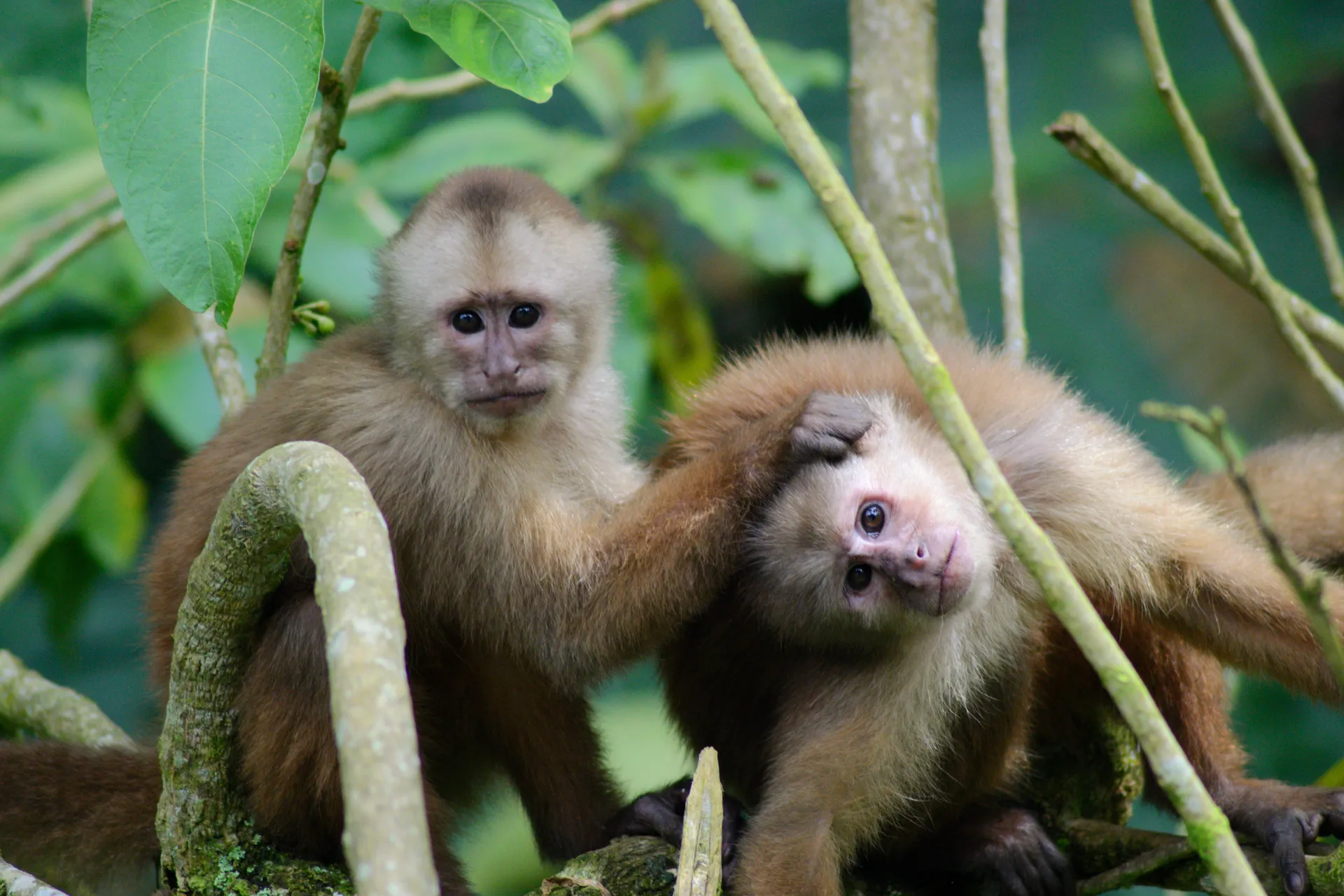
Wildlife documented through years of camera trap monitoring and field research at La Hesperia.
Protecting land is the beginning, not the end. La Hesperia maintains an active program of monitoring, research, habitat restoration, and education — the daily work that keeps the ecosystem healthy and expanding.
Our farming practices are guided by Holistic Management, adapted to the specific conditions of our cloud forest environment. The farm is part of the conservation model — not separate from it. Planned grazing, organic practices, agroforestry, and soil health monitoring create a productive buffer zone that strengthens the land while supporting forest protection.
Systematic monitoring of mammals, birds, and other species using camera traps, point counts, and field surveys — with a focus on primates and medium and large mammals. Priority species include the Ecuadorian capuchin monkey, Andean bear, puma, collared peccary, and tayra. Long-term datasets document population trends, species interactions, and habitat use across the reserve.
Restoration of degraded areas at the forest edge, propagation of native species in our nursery, and reforestation that expands the forest buffer zone. Adding forest, not just protecting what exists.
La Hesperia hosts researchers and interns from universities worldwide. All data collected on the reserve contributes to regional and global understanding of cloud forest ecology, climate change impacts, and species distribution.
Programs for local schools and communities that build awareness, connection, and knowledge of the ecosystem. Conservation that only happens inside reserve boundaries is conservation with a time limit — education extends it outward.
Careful management of trail networks that allow access for research, education, and programs without causing habitat disturbance. Maintaining the boundary between human use and undisturbed forest.
La Hesperia aims to be as self-sustaining as possible — through our programs and the working farm. This model is what has allowed us to protect 700 hectares of reserve for over 50 years, and it is what we continue to build on.
But conservation at this depth — active wildlife monitoring, habitat restoration, long-term research partnerships, community education — requires more than what a self-funded reserve can do alone. We are grateful to everyone who has contributed to what this place has become. If this work matters to you, there are many ways to be part of it: joining a program, volunteering, or making a donation.
Support Conservation
Donations support reforestation, wildlife monitoring, and the long-term research programs operating within the reserve. All contributions are managed by Fundación Tangaré, La Hesperia's registered conservation partner — ensuring full transparency and accountability.
Every visitor, researcher, and volunteer who comes to La Hesperia directly supports the protection of our reserve. Add your effort to ours.